


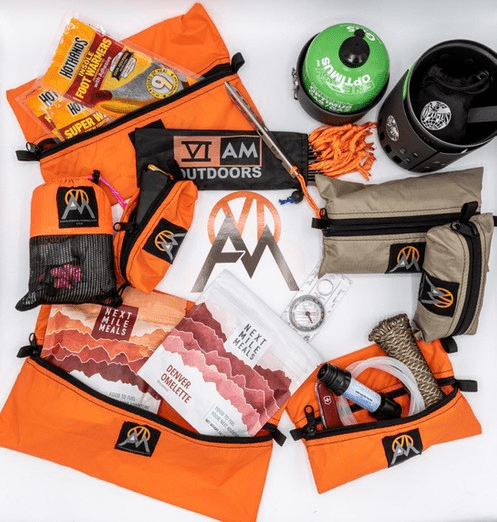
Backcountry Nutrition: Fueling Your Body for Harsh Miles and Weather Swings.
Backcountry Nutrition: Fueling Your Body for Harsh Miles and Weather Swings.

Backcountry travel demands more from your body than almost anything else. Long climbs, heavy packs, cold mornings, hot afternoons, and unpredictable weather all drain energy fast. If your nutrition isn’t dialed in, your legs fade, and your mind fogs long before you've reached your goal.
This blog breaks down how to pack food that’s weight‑conscious, calorie‑dense, protein‑rich, and built around electrolytes and vitamins that keep you performing day after day.
🔥 Know Your Numbers: Calories, Protein, and Daily Needs
Backcountry trips burn anywhere from 3,500 to 6,000 calories per day depending on terrain, pack weight, and weather. You won’t replace all of that — but you need enough to stay sharp.
- Calorie targets — Aim for 2,500–3,500 calories packed per day.
- Protein needs — 120–160g daily keeps muscles recovering.
- Fat for fuel — High‑fat foods give long‑burn energy without adding bulk.
Your food isn’t just fuel — it’s performance insurance.
🎒 Weight‑Conscious, Calorie‑Dense Foods
Every ounce matters. The best backcountry foods deliver huge calories for minimal weight.
- Nut butters — 180–200 calories per ounce.
- Trail mixes — Nuts + chocolate + dried fruit = elite fuel.
- Dehydrated meals — Lightweight, easy, high calorie.
- Tortillas — Pack flat, pair with tuna, jerky, or peanut butter.
- Energy bars — Choose bars with 300+ calories.
- Cheese + salami — High fat, high protein, stable in cold temps.
These foods keep your pack light and your energy high.
💪 Protein‑Dense Foods for Recovery
Protein is what keeps your legs from turning to mush on day three.
- Jerky — Lightweight, durable, high protein.
- Tuna packets — 20g protein, no can, no weight.
- Protein powder — Easy morning boost.
- Freeze‑dried meals — Many offer 30–40g per serving.
Protein keeps your muscles firing and your recovery fast.
💧 Electrolytes, Hydration, and Vitamins
Hydration is more than water. When you sweat, climb, and hike all day, you burn through electrolytes fast — especially sodium.
- Electrolyte packets — Carry 2–3 per day.
- Salt-heavy mixes — Crucial for long climbs.
- Daily vitamins — A simple multivitamin covers gaps.
-
Caffeine — Coffee packets or caffeinated mixes for morning clarity.

Electrolytes prevent cramps, headaches, and fatigue — the silent killers of backcountry trips
📦 How to Pack Your Food
Your food system should be organized, accessible, and balanced.
- Daily food bags — One bag per day keeps calories consistent.
- Quick-access snacks — Keep bars and mixes in hip belt pockets.
- Bear safety — Hang bags or use canisters where required.
- Weather-proofing — Use dry bags to protect food from storms.
Packing smart saves time and keeps your energy steady.
🌡️ Plan for Weather Shifts
Cold weather burns calories faster. Hot weather drains electrolytes. Wind kills appetite. Rain slows cooking.
Think ahead:
- Cold snaps → Pack extra fats and warm meals.
- Heat waves → Double electrolytes and water purification.
- Storms → Choose meals that cook fast or require no flame.
- High altitude → Appetite drops, so pack calorie-dense foods you want to eat.
Weather changes your nutritional needs — prepare for it before you leave the truck.
🏔️ Build a Nutrition System You Trust
Your food should be predictable, tested, and tailored to your body. Run overnight trips, test meals, and learn what fuels you best. When the time hits, you’ll move farther, harder, and stay sharper because your nutrition is dialed in.
