

Chasing Seasons Fall and Winter: Camping in unpredictability
Chasing Seasons Fall and Winter: Camping in unpredictability
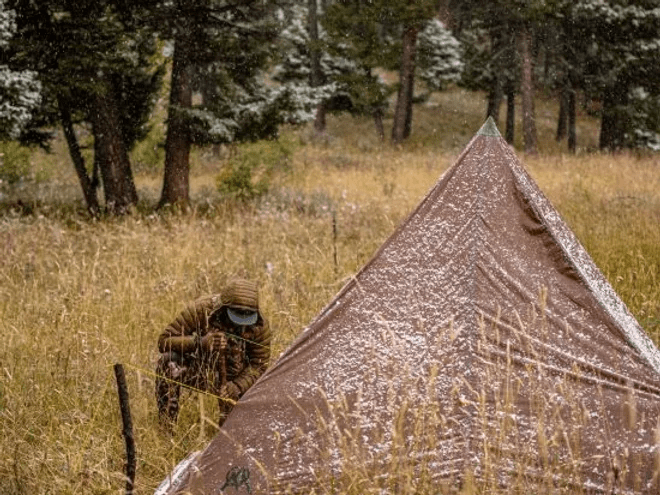
There is something special about camping when the crowds disappear and the seasons begin to fight for control. Fall and winter camping is not just about enduring colder temperatures. It is about embracing the unpredictability of the mountains, the comfort of a hot stove crackling inside a shelter, and the satisfaction of watching snowflakes melt off your jacket while a hearty meal simmers nearby.
One morning, you may wake to frost covering your tent and your water bottle frozen solid. By afternoon, the sun can be beating down hard enough that you're hiking in a lightweight base layer. Then, just a few hours later, a cold front rolls through, bringing wind, sleet, and temperatures that plunge below freezing. That constant swing from cold to hot and back again is what makes fall and winter camping both challenging and rewarding.
The key to enjoying these conditions isn't toughness. It's preparation.
A perfectly tuned layering system becomes one of the most important pieces of gear in your pack. Starting with a moisture-wicking base layer keeps sweat from chilling your body during long climbs. A quality lightweight insulated mid-layer traps warmth when temperatures drop, while a weatherproof outer shell blocks wind, snow, and rain when conditions turn ugly. The beauty of a proper layering system is adaptability. As the day warms, layers come off. As temperatures cool or clouds roll in, layers go back on. Instead of fighting the weather, you're adjusting with it.

I learned this firsthand on a late-season trip deep in the mountains. The day started at 18 degrees with a heavy frost covering the meadow where camp was set. The hike out of camp required gloves and a puffy jacket. By lunchtime, under bluebird skies, I was hiking comfortably in a light base layer. It felt more like Spring than Winter. Then, as quickly as it arrived, the warmth disappeared. Dark clouds built over the ridgeline, and temperatures dropped nearly 30 degrees within a couple of hours. Snow began falling sideways in the wind.
Moments like these separate a pleasant trip from a miserable one.
Back at camp, the hottest piece of equipment wasn't an expensive sleeping bag or an advanced jacket. It was the hot tent stove.
There is an almost magical feeling that comes from stepping out of bitter cold and into the warmth of a shelter glowing from the light of a small wood stove. Wet gloves can be dried. Socks thaw beside the stove pipe. Steam rises from damp clothing hanging overhead. The simple luxury of warmth transforms camp life entirely.
The stove also becomes the center of camp cooking.
Backcountry meals take on a new meaning when cooked over a crackling fire inside a hot tent. Instead of rushing through a dehydrated meal before retreating to a sleeping bag, evenings become experiences. Skillets sizzle with venison sausage. Coffee percolates while fresh snow falls outside. Steaks, potatoes, and eggs become realistic menu options rather than distant dreams. The smell of wood smoke mixed with a hot meal is enough to make you forget the freezing temperatures waiting outside.
Some of my favorite camp memories have happened around a hot stove on winter nights. Sharing stories, drying gear, and cooking real food creates a level of comfort that feels almost unfair when the weather outside is pushing into single digits.
Of course, even the hottest stove eventually burns out, and that's when your sleeping system takes over.
A quality sleep system is only part of the equation. Many campers focus entirely on bag temperature ratings while overlooking what is beneath them. The ground is often the biggest thief of warmth during cold-weather camping. Even the best sleeping bag cannot fully insulate you from frozen soil, snow, or ice.
That's where a ThermoBarrier sleeping pad earns its place.
A high-quality insulated sleeping pad provides critical separation between your body and the cold ground beneath you. Combined with an appropriately rated sleeping bag, it creates a sleep system capable of keeping you warm and recovered for the next day's adventures. Lying on an insulated ThermoBarrier pad after a long day in cold conditions can be the difference between a restful night and hours spent shivering.
When temperatures truly plummet, the sleeping system becomes your insurance policy. The stove can warm you while you're awake, but your sleeping gear protects you through the long dark hours before dawn.
The beauty of fall and winter camping is that no two days are ever the same. You might experience sunshine, rain, snow, frost, and mud all within a 24-hour period. That's part of the adventure. The constantly changing weather keeps you engaged, testing both your preparation and your ability to adapt.
With a dependable layering system, a hot tent stove, hearty meals, and a proper sleep setup built around an insulated ThermoBarrier pad, those changing conditions become less of an obstacle and more of a reason to get outside.
While many people are putting their gear away for the season, you'll be settling into camp under a blanket of stars, listening to a stove crackle, and watching another weather front roll across the mountains. Because sometimes the best camping happens when everyone else thinks it's too cold to go.
