

Choosing the Right Backcountry Shelter: What Actually Matters
Choosing the Right Backcountry Shelter: What Actually Matters
Choosing the Right Backcountry Shelter: What Actually Matters
When you’ve spent enough nights in the backcountry, you learn quickly that a shelter isn’t just a place to sleep — it shapes the entire experience. The right shelter makes camp feel like a welcome break instead of something you simply endure. The wrong one? It becomes a nightly reminder of compromises you didn’t need to make.
Selecting a shelter is less about chasing the lightest spec sheet and more about understanding how you actually travel, rest, and live outdoors.
Start With Space: How Much Room Do You Really Need?
Most ultralight shelters force you to choose between weight and livability. But interior space is one of the biggest factors in how comfortable you’ll be on real trips.
When evaluating space, consider:
- Peak height — Can you sit upright? Can multiple people move around without contorting?
- Footprint — Is there room for sleeping pads and gear?
- Shape — Tipi-style shelters, for example, often feel more open than A‑frames even with similar square footage.
If you spend long evenings in camp, wait out storms, or travel with a group, prioritize shelters that feel like a usable interior space — not just a crawl‑in cocoon.
Weight vs. Function: Find Your Balance Point
Ultralight gear is appealing, but shaving ounces only matters if the shelter still supports the way you travel.
Ask yourself:
- Are you hiking long miles daily?
- Do you split gear weight with partners?
- Do you need a shelter that works for multiple seasons?
- Do you prefer simplicity over modular add‑ons?
Some shelters like the Madison Tipi still offer generous space and four‑season capability. Others hit impressive weight numbers by sacrificing interior comfort or durability. Know which tradeoffs you’re willing to make.
Setup Matters More Than You Think
A shelter can have great specs and still be frustrating if it’s slow or finicky to pitch.
Look for:
- Intuitive structure — Single‑pole or simple trekking‑pole designs are ideal when daylight is fading.
- Flexible pole compatibility — Useful if you want to integrate the shelter into an existing gear system.
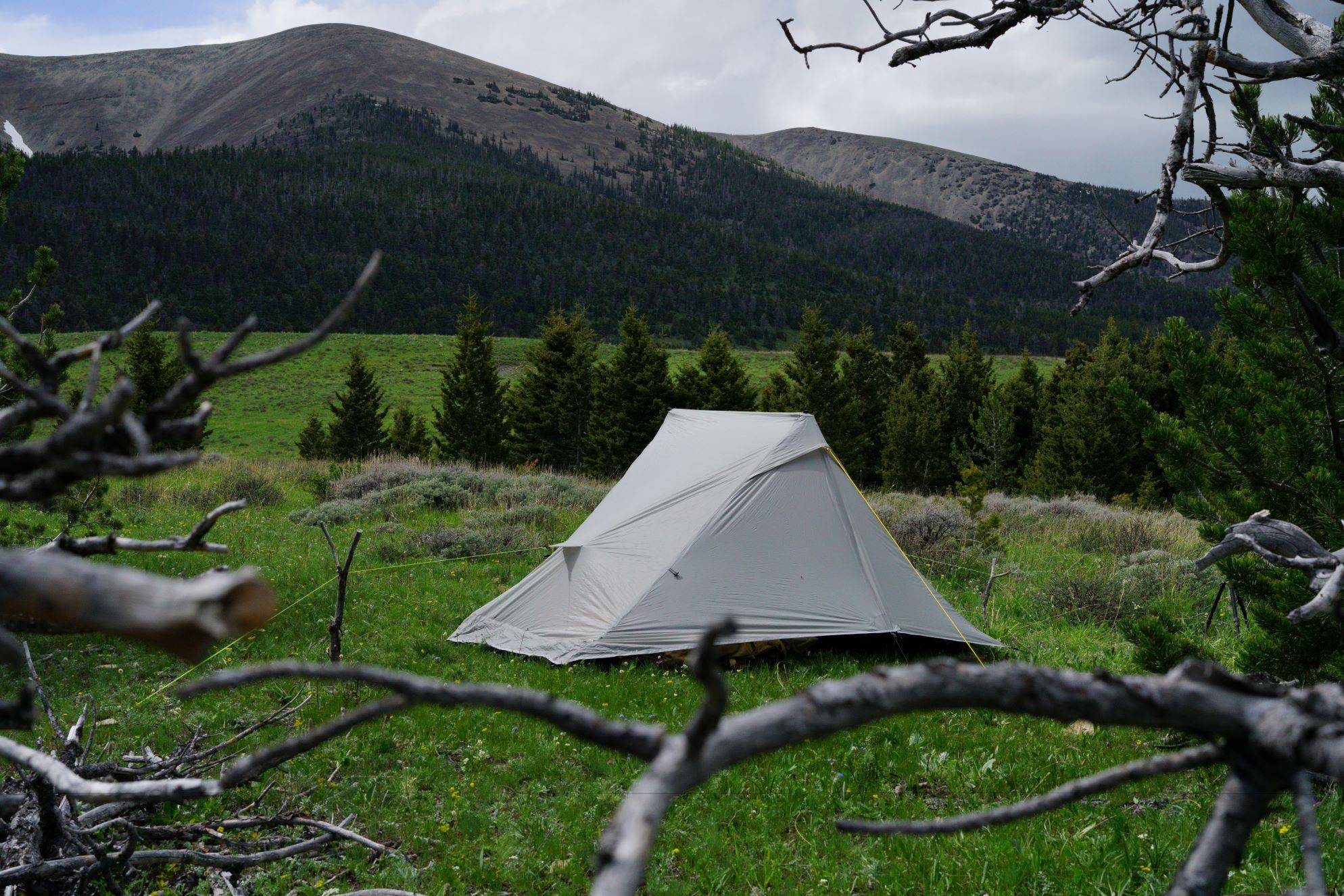
- Stable geometry — Tipi and pyramid shapes shed wind and weather efficiently with minimal fuss.
If you often set up camp tired, in the dark, or in bad weather, ease of setup should be a top priority.
Group Dynamics: One Shelter or Several?
If you travel with partners, your shelter choice affects more than just sleep.
A larger shared shelter can:
- Create a communal space for planning, cooking, or waiting out storms
- Reduce total pack weight when divided among hikers
- Keep gear organized and dry without crowding sleeping areas
For families, small groups, or minimalist basecamps, a roomy shared shelter like the Madison XL often improves the overall experience far more than multiple cramped solo tents.
Seasonal Versatility:Will It Work Year‑Round?
Not all shelters are created for all seasons. If you backpack in shoulder seasons or winter, look for:
- Stove compatibility (for hot‑tent setups)
- High‑strength fabrics
- Weather‑shedding shapes
- Adequate ventilation to prevent condensation
Some ultralight shelters manage to remain packable while still offering true four‑season capability — a huge advantage if you want one shelter for everything.
Durability and Reliability: The Non‑Negotiables
Weight and space matter, but reliability is what keeps you safe.
Evaluate:
- Fabric strength and coatings
- Reinforced stress points
- Guyline and stake quality
- How the shelter handles wind, rain, and repeated use
A shelter that feels stable and predictable in varied terrain is worth far more than one that only looks good on paper.
Think About How You Use Your Shelter
Beyond sleeping, consider what you want to do inside:
- Sit upright and recover
- Organize gear
- Cook safely in bad weather (with proper ventilation and stove systems)
- Wait out storms without feeling trapped
If you spend real time inside your shelter, prioritize livability over minimalism.
Matching Shelter to User: Who Needs What?
Different backpackers benefit from different shelter styles:
- Solo ultralighters — prioritize minimal weight and small footprints
- Groups or families — benefit from larger shared shelters
- Backcountry hunters/photographers — need space for gear and long weather delays
- Four‑season adventurers — require stove compatibility and robust construction
Choosing the right shelter is about aligning features with your actual backcountry habits.
Final Thoughts
The best backcountry shelter isn’t the lightest, the biggest, or the most technical — it’s the one that makes your time in the wilderness better. Look for a shelter that balances weight, space, durability, and ease of use in a way that supports how you travel.
When you find the right one, camp stops being something you endure and becomes something you genuinely enjoy.
