

Summer on the Trail: How Smart Preparation Sets the Tone for the Season Ahead
Summer on the Trail: How Smart Preparation Sets the Tone for the Season Ahead

As the days grow longer and trails begin to dry out, summer camping and hiking season quietly announces itself. It’s the time of year when weekend plans turn into overnight trips, and ambitious routes finally feel possible again. But the difference between a great summer season and a frustrating one often comes down to preparation. Specifically, how thoughtfully you choose your gear, your locations, and your systems.
Before the miles add up, now is the moment to take a hard look at what you’re carrying and how it supports the way you want to travel.
Why Gear Selection Matters More in Summer
Summer trips have a reputation for being “easier,” but that can be misleading. Heat, longer distances, unpredictable storms, and crowded trails all place different demands on your setup. Carrying heavy or poorly chosen equipment doesn’t just slow you down, it drains energy and limits flexibility.
This is where lightweight camping gear becomes more than a convenience. It’s a way to stay mobile, comfortable, and adaptable as conditions change. Reducing pack weight means:
- Less fatigue on long, hot climbs
- Easier recovery day after day
- More freedom to adjust plans mid‑trip
Summer is when many hikers transition to ultralight camping shelters and streamlined kits, prioritizing efficiency without sacrificing protection.
Choosing the Right Shelter for Warm‑Weather Adventures
Your shelter is the foundation of your camp system. In summer, the goal is balance: reliable weather protection without unnecessary bulk.
Modern ultralight camping shelters excel here. Designs that emphasize simple structures, efficient materials, and compact pack sizes allow you to move faster on trail while still having confidence when afternoon storms roll in.
When evaluating a summer shelter, consider:
- Ventilation and interior space for warm nights
- Fast, intuitive setup after long hiking days
- A packable design that fits easily inside or outside your pack
A shelter that disappears into your pack during the day, but feels livable at night is a cornerstone of smart backpacking gear selection.
Location Planning: Let the Season Work for You
Summer opens access to higher elevations, longer routes, and remote areas that are unreachable the rest of the year. But popularity also peaks, making location planning just as important as gear choice.
Selecting campsites and routes with intention helps you:
- Avoid overcrowded trailheads
- Take advantage of cooler temperatures at elevation
- Plan water sources in dry conditions
Lightweight, packable camping gear gives you more flexibility when choosing where to stop. Instead of being locked into specific campsites, you can adjust daily mileage, explore side trails, or push farther when conditions are favorable.
Durable Outdoor Gear for Long Days and Hard Miles
While summer gear is often associated with lightness, durability still matters. Sometimes even more than in colder seasons. Increased mileage, sun exposure, dust, and frequent setup and breakdown cycles all take a toll.
High‑quality durable outdoor gear is built to handle repeated use without constant repairs or replacements. The best pieces strike a balance: strong enough for real backcountry use. But refined enough to avoid unnecessary weight.
When reviewing your summer kit, look for gear that:
- Holds up over multiple trips
- Performs consistently in variable conditions
- Earns its place in your pack, mile after mile
Summer is long. Your gear should be ready for all of it.
Safety: Light Packs Still Require Smart Systems
One common mistake in summer hiking is assuming lighter gear means fewer risks. In reality, safety becomes even more important as distances increase and temperatures rise.
A well-organized backpacking system helps you respond quickly when things don’t go as planned. Thoughtful backpacking gear choices support safety by:
- Keeping essential items accessible
- Reducing strain and overuse injuries
- Allowing faster setup during sudden weather changes
Pair lightweight gear with solid habits like route planning, weather awareness, and realistic mileage goals create a system that supports both comfort and preparedness.
Organization Is the Quiet Advantage
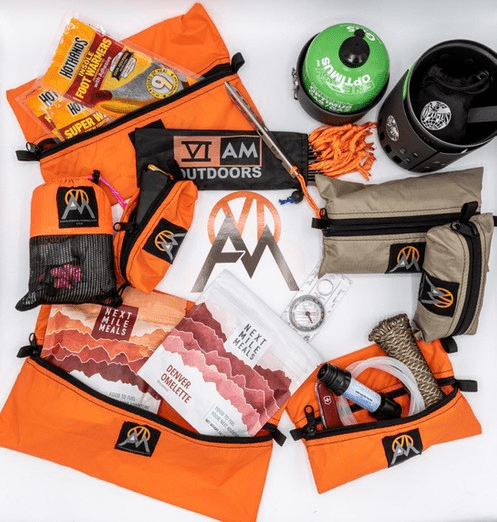
Organization rarely gets the spotlight, but it’s one of the biggest quality of life upgrades you can make. Efficient use of packable camping gear means less time digging through your pack and more time enjoying the trail.
Simple organization strategies include:
- Separating sleep systems from cooking gear
- Keeping shelter components together
- Storing frequently used items in consistent locations
These small efficiencies add up, especially on multi‑day summer trips when routines matter.
Final Thoughts: Set Yourself Up for the Season You Want
Summer camping and hiking reward those who prepare with intention. Choosing the right lightweight camping gear, dialing in ultralight camping shelters, prioritizing durable outdoor gear, and organizing your backpacking gear aren’t about chasing trends. They’re about creating a system that supports how you move through the outdoors.
The best summer trips feel effortless not because they’re easy, but because the gear works with you, not against you. As the season approaches, a little preparation now can unlock months of better miles, better camps, and better memories.
